Equipment to Use for Septic System Excavation in Lake Simcoe Region in Ontario
- Titanium Admin
- Mar 9
- 7 min read

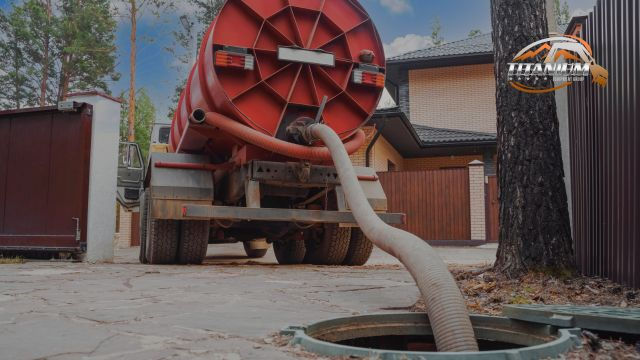
Installing or preparing land for a Lake Simcoe septic system requires careful excavation, the right equipment, and a strong understanding of local soil and environmental conditions. Around Georgina, Brock, Beaverton, Pefferlaw, and Kawartha Lakes, many properties rely on septic systems instead of municipal sewer infrastructure. That means proper excavation is not just a construction task but a critical step that affects long term system performance.
We often see homeowners underestimate how precise septic excavation must be. A septic system needs correct trench depth, stable soil conditions, and accurate grading so wastewater flows naturally through the system. Without proper machinery, excavation can quickly become slow, unsafe, and costly.
Using reliable Lake Simcoe equipment rentals is often the most practical approach for property owners, contractors, and landscapers. Renting equipment allows projects to move forward efficiently without the expense of purchasing heavy machinery. In our experience working across Georgina, Brock, and the surrounding Lake Simcoe region, the right machine makes the difference between a smooth excavation process and weeks of unnecessary delays.
In this guide, we walk through the best equipment for septic excavation, practical tips for local residents, typical costs, and common mistakes people make when preparing land for a septic installation.
Follow us on Facebook.
Book online with Titanium Equipment Group.
Let’s get started.
Understanding Septic System Excavation in the Lake Simcoe Region
Before selecting equipment, it helps to understand why septic excavation in the Lake Simcoe region is unique.
Many properties near Lake Simcoe have mixed soil conditions. Some areas contain sandy soil that drains quickly, while others have clay or compacted earth that requires heavier machinery to dig properly. Water tables also vary depending on proximity to the lake or wetlands, which means excavation must follow strict guidelines to avoid groundwater contamination.
A Lake Simcoe septic system generally includes several components:
Septic tank area excavation
Drain field trenches
Distribution piping trenches
Proper grading and backfilling
Each step requires precision. For example, trenches must maintain specific slopes so wastewater flows through the system naturally.
A research based fact often referenced by environmental authorities is that poorly installed septic systems are one of the leading contributors to groundwater contamination in rural communities. Studies across Ontario have shown that failing septic systems can release nutrients and bacteria into nearby waterways if excavation or installation is done incorrectly.
This is why proper excavation practices and the right machines matter so much. When excavation is handled carefully using the right equipment, septic systems can function efficiently for decades while protecting local groundwater and Lake Simcoe itself.
Best Equipment for Septic System Excavation
Selecting the correct equipment depends on property size, soil type, and accessibility. Below are the machines most commonly used for septic excavation in the Lake Simcoe region.
Mini Excavators for Precise Septic Trenches
Mini excavators are one of the most useful machines for septic excavation. They provide the digging power needed to cut trenches while remaining compact enough to operate in tight residential areas.
The Kubota U17 Mini Excavator is particularly useful for smaller properties and narrow work areas. Its compact design allows operators to dig trenches near buildings, fences, or landscaping without causing damage.
Benefits of mini excavators for septic work include:
Precise trench digging
Easy access through small residential spaces
Minimal ground disturbance
Lower fuel consumption
For many residential Lake Simcoe septic system excavation projects, a mini excavator is often the first machine brought to the site.
Mid Size Excavators for Larger Septic Excavation
Some properties require deeper digging or larger trenches. In these cases, mid size excavators provide the additional power needed.
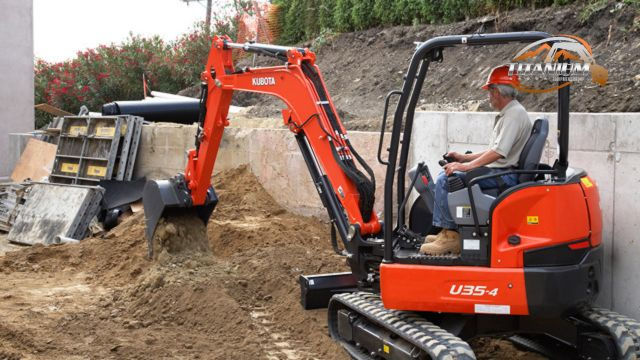
The Kubota U35 4 3.7T Excavator is a strong choice for heavier excavation tasks. It offers more digging depth and lifting capability compared to smaller machines while still maintaining maneuverability on residential properties.
Mid size excavators help when:
Soil is compacted or clay heavy
Trenches must be deeper or wider
Septic tanks require larger excavation pits
Projects involve larger rural properties
For many Lake Simcoe equipment rentals, this category of excavator is the most requested machine for septic preparation work.
Track Loaders for Moving Soil and Grading
Excavation is only part of the process. Once trenches are dug and tanks are placed, the soil must be moved, leveled, and compacted properly.
Track loaders are ideal for this stage of the project. Machines such as the Kubota SVL75 3 Track Loader can transport large volumes of soil quickly while maintaining stability on soft ground.
Track loaders are particularly useful for:
Moving excavated soil away from trenches
Backfilling around septic tanks
Leveling and grading the drain field area
Preparing driveways or access paths
Because they distribute weight evenly across tracks, they perform well on the softer soils common in the Lake Simcoe region.
Backhoe Loaders for Multi Purpose Excavation
For smaller septic preparation jobs, a backhoe loader can handle several tasks with one machine.
The Kubota BX23S Loader Backhoe combines digging capability with a front loader bucket, making it useful for homeowners or small contractors working on limited sites.
A backhoe loader can help with:
Digging shallow trenches
Transporting soil
Site cleanup and grading
While it may not match the digging power of larger excavators, it offers versatility for smaller projects.
Compact Tractors for Site Preparation
Compact tractors often assist with early stage site preparation before excavation begins.
The Kubota LX2620 Compact Tractor can be used to clear vegetation, level ground, and prepare the property for excavation work. This step makes the excavation process faster and safer.
Trailers for Transporting Equipment
Transporting machinery between job sites is another essential part of the process. Equipment trailers allow machines to move safely across properties and rural roads.
Common trailer options include:
7x21 gravity tilt equipment trailers
6x14 gravity tilt utility trailers
6.5 x 18 cargo trailers
These trailers make it easier for contractors or property owners to transport equipment throughout Georgina, Brock, Pefferlaw, and Kawartha Lakes.
Practical Tips for Septic Excavation Projects
If you are planning work related to a Lake Simcoe septic system, preparation is just as important as the excavation itself.
Here are several practical tips that can make the process smoother.
1. Check Soil Conditions First
Before excavation begins, soil testing should determine how well the soil drains. Sandy soil drains quickly while clay soil drains slowly and may require additional excavation adjustments.
2. Confirm Local Permits
Septic systems in Ontario require permits and inspections. Always confirm local requirements before digging.
3. Use the Right Machine for the Property Size
Using equipment that is too large can damage landscaping or create unnecessary ground disturbance. Smaller machines often work better on residential properties.
4. Plan Equipment Access
Make sure equipment can safely reach the excavation area. Narrow driveways, fences, or trees can restrict access if not considered beforehand.
5. Protect Nearby Water Sources
Because many properties sit near Lake Simcoe or local waterways, excavation should always prevent soil runoff or contamination.
Following these steps helps protect both your property and the surrounding environment.
Cost of Septic Excavation Equipment in the Lake Simcoe Region
Costs vary depending on equipment size, rental duration, and project complexity. Renting equipment often reduces costs compared to purchasing machinery outright.
Below is a general comparison of common machines used for septic excavation.
Equipment Type | Typical Use | Best For |
Mini Excavator | Trench digging | Residential septic trenches |
Mid Size Excavator | Deep excavation | Larger septic systems |
Track Loader | Soil movement | Backfilling and grading |
Backhoe Loader | Multi purpose work | Small projects |
Compact Tractor | Site preparation | Clearing and leveling |
In many cases, combining multiple machines leads to faster project completion.
Across Georgina and Brock, we focus on keeping equipment rentals accessible for local residents. Our goal is to provide the most affordable equipment rental options in the region while supporting homeowners and contractors who need reliable machines for excavation work.
Common Mistakes People Make During Septic Excavation
Excavation errors can create expensive problems later. Here are several common mistakes we frequently see.
Digging Trenches Too Deep
If trenches are too deep, wastewater may not drain properly through the soil.
Using the Wrong Equipment
Using equipment that lacks sufficient power can slow progress or damage the excavation site.
Ignoring Drainage Slope
Septic systems rely on gravity. Incorrect trench slopes can lead to poor system performance.
Skipping Soil Testing
Without soil testing, the drain field may be placed in unsuitable soil.
Avoiding these mistakes saves time and prevents costly repairs.
Why Local Equipment Rentals Matter in the Lake Simcoe Region
Working with local Lake Simcoe equipment rentals offers several advantages compared to sourcing machines from outside the region.
Local providers understand the terrain, soil conditions, and property layouts common across Georgina, Brock, Pefferlaw, and surrounding communities.
We focus on supporting residents throughout:
Georgina
Brock
Beaverton
Pefferlaw
Virginia
Kawartha Lakes
Uxbridge
Port Bolster
Woodville
Durham Region
Because we operate locally, we can help property owners identify the right machines for septic excavation while also offering contracting services that assist with excavation preparation and site work.
It is important to clarify that we do not install septic systems directly. Instead, we support projects through equipment rentals and construction related services that prepare sites for septic installation professionals.
Myths vs Facts About Septic Excavation
Myth: Any excavator can handle septic excavation.
Fact: Different soil conditions require specific machines to ensure accurate trench depth and slope.
Myth: Septic excavation is a simple digging job.
Fact: Proper grading, soil conditions, and trench depth are essential for long term system performance.
Myth: Larger equipment always works better.
Fact: Compact machines often perform better on residential properties with limited space.
Myth: Septic excavation does not affect environmental health.
Fact: Incorrect excavation can contribute to groundwater contamination and environmental damage.
Conclusion
Preparing land for a Lake Simcoe septic system requires careful excavation, reliable equipment, and an understanding of local conditions. In communities across Georgina, Brock, Pefferlaw, and Kawartha Lakes, septic systems play a vital role in managing wastewater for rural properties.
Choosing the right equipment makes excavation faster, safer, and more precise. Machines such as mini excavators, track loaders, and backhoe loaders allow contractors and property owners to complete trench digging, grading, and site preparation efficiently.
For many residents, using Lake Simcoe equipment rentals is the most practical approach. Renting machinery provides access to professional grade equipment without the high cost of ownership, allowing projects to move forward smoothly.
Our goal at Titanium Equipment Group is to support local property owners through affordable equipment rentals and construction related services that help prepare sites for septic installation professionals throughout the Lake Simcoe region.
Frequently Asked Questions
What equipment is needed to excavate a septic system?
Most septic excavation projects require a mini excavator for trench digging, a track loader for moving soil, and sometimes a backhoe loader for smaller tasks. The exact equipment depends on soil conditions and property size.
How deep are septic trenches in the Lake Simcoe region?
Trench depth varies based on soil type and system design, but many septic trenches are typically around 18 to 36 inches deep depending on engineering requirements.
Can homeowners rent excavation equipment for septic work?
Yes. Many property owners use Lake Simcoe equipment rentals to complete excavation projects themselves or assist contractors working on the property.
Do you install septic systems?
No. We provide equipment rentals and construction related services that help prepare sites for septic system installation professionals.
What areas do you serve around Lake Simcoe?
We support residents and contractors across Georgina, Brock, Beaverton, Pefferlaw, Virginia, Kawartha Lakes, Uxbridge, Port Bolster, Woodville, and the surrounding Lake Simcoe region.


Comments